
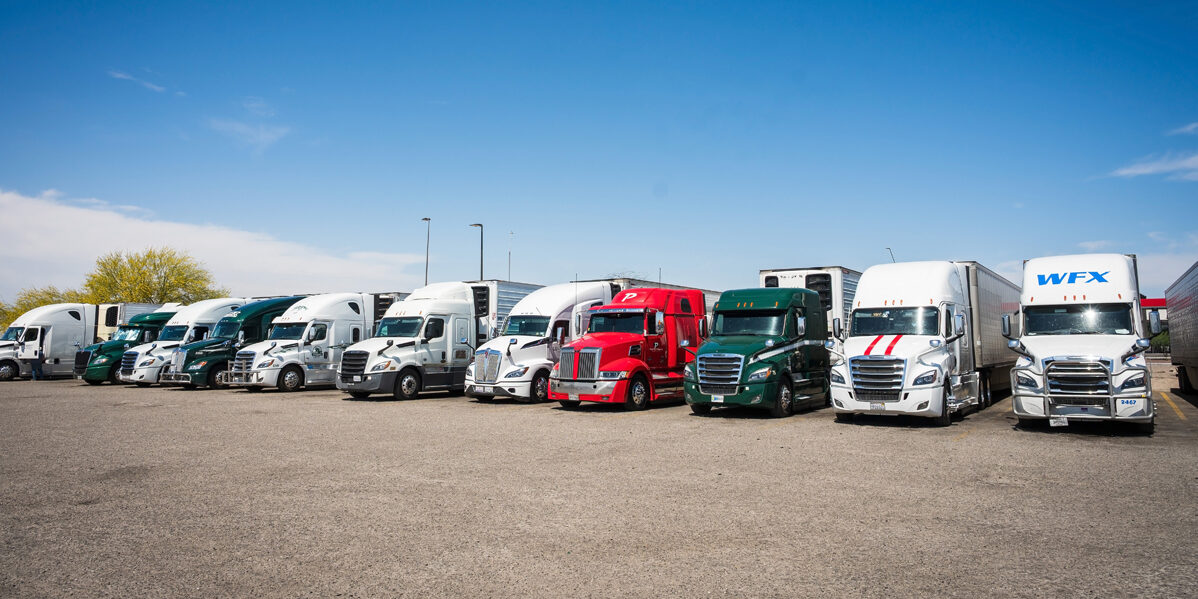
Since January 1, 2026, a regulation from the Quebec Ministry of Transport and Sustainable Mobility (MTQ) has introduced new requirements for heavy vehicles equipped with a lift or auxiliary axle. This regulatory change directly affects many Quebec businesses operating in the transportation, construction, and mining sectors. For fleet managers, compliance has become essential to maintaining performance, profitability, and operational continuity.
This MTQ regulation is primarily intended to ensure better control of loads transported on the road network. The new requirements mandate that affected vehicles be equipped with an onboard weighing system capable of continuously measuring loads and displaying the data directly in the driver’s cab. This approach promotes better load distribution while reducing the risks associated with overloading and regulatory violations.
As a Quebec-based family business recognized for its expertise in vehicle technologies, Ordi-Cam helps companies keep their fleets compliant. Through our partnership with Cleral Canada, we offer the sale, installation, calibration, and configuration of onboard weighing systems and intelligent axle management solutions.
Why Was This MTQ Regulation Introduced in 2026?
Heavy vehicles transport significant loads every day, placing considerable pressure on road infrastructure. Poor weight distribution or exceeding authorized limits can accelerate road deterioration, increase the risk of accidents, and create additional costs for operators. The MTQ 2026 regulation is therefore part of an initiative aimed at better controlling these operational realities.
The primary objective is to enable more precise monitoring of the loads applied to each axle or axle group. With a compliant onboard weighing system, drivers have access to reliable real-time information that helps them make better decisions before and during their trips. This visibility contributes to improved road safety and compliance with applicable standards.
For affected businesses, this regulatory change also represents an opportunity to improve their operational management practices. By knowing exactly what loads are being transported, it becomes easier to optimize routes, reduce the risk of overloading, and better protect vehicle components.
Which Vehicles Are Affected by the MTQ 2026 Regulation?
The MTQ 2026 regulation applies to all vehicles equipped with a lift or auxiliary axle. This requirement applies regardless of the industry sector and affects both private fleets and vehicles used for commercial transportation. An assessment of each unit remains essential to confirm its level of compliance.
12-Wheel Trucks with Lift Axles
12-wheel trucks equipped with a lift axle are among the vehicles most directly affected by the regulation. These configurations are widely used in material transportation, construction, and municipal services. To meet regulatory requirements, these vehicles must be equipped with an onboard weighing system capable of continuously measuring loads.
Complying with this requirement also helps optimize vehicle utilization. Drivers gain better visibility into the loads being transported and can therefore reduce the risk of violations during roadside inspections.
Tridem Trucks with Auxiliary Axles
Tridem trucks equipped with an auxiliary axle are also subject to the MTQ 2026 regulation. These vehicles are often used for transporting heavy materials and require careful load distribution management. A compliant onboard weighing system therefore becomes an essential tool for ensuring compliance with regulatory limits.
This technology also enables better operational management. Drivers can monitor loads in real time and adjust their operations to avoid overweight situations or imbalances between axles.
Semi-Trailers with Lift Axles
Semi-trailers equipped with lift or auxiliary axles are also affected by the new requirements. In many industries, these configurations offer greater operational flexibility but now require precise load monitoring. Installing an onboard weighing system therefore becomes essential to remain compliant.
Semi-trailer operators also benefit from greater control over their daily operations. Accurate load readings help reduce premature wear on mechanical components and support better asset management.
Smart Axle and Lift Axle Configurations
Smart Axle and Lift Axle systems automatically manage certain axles according to vehicle loading conditions. These technologies are particularly useful for optimizing load distribution and improving overall fleet performance. Whenever an axle is liftable or auxiliary, the requirements of the MTQ 2026 regulation must also be respected.
The Three Legal Requirements Imposed by the MTQ 2026 Regulation
To remain compliant, every affected vehicle must be equipped with an onboard weighing system that meets three fundamental requirements. These criteria form the foundation of the regulation and must be respected at all times during vehicle operation.
Continuous Load Measurement
The first requirement is the continuous measurement of loads applied to each axle or axle group. The system must provide up-to-date information throughout vehicle operation to ensure constant visibility into weight distribution.
Continuous measurement also makes it possible to quickly detect load variations that may impact safety or compliance. Businesses therefore benefit from greater control over their operations and can respond quickly whenever adjustments become necessary.
Display of Loads by Axle or Axle Group
The second requirement concerns information display. Data must be clearly presented on a screen accessible from the driver’s cab. This requirement ensures that critical information is available whenever it is needed.
A clear display facilitates decision-making and allows drivers to quickly verify the status of the loads being transported. This visibility helps reduce the risk of errors and promotes more efficient vehicle operation.
Maximum Accuracy of 5%
The third requirement concerns system accuracy. To remain compliant, the onboard weighing system must maintain a maximum margin of error of 5%. This requirement ensures the reliability of the data used for load management.
System calibration plays a key role in achieving this level of accuracy. Professional installation and proper maintenance help preserve long-term system performance.
For official standards and requirements, consult the Guide to Vehicle Load and Dimension Standards (2026 Edition).
The Consequences of Non-Compliance with the MTQ 2026 Regulation
For companies operating heavy vehicles, MTQ compliance has become an important operational concern. A vehicle that fails to meet the requirements applicable to lift or auxiliary axles may face consequences that directly affect profitability. Fleet managers should therefore quickly assess affected vehicles to avoid the impacts associated with delayed compliance.
Risk of Violations During Roadside Inspections
Roadside inspections remain one of the primary methods used to verify compliance with load and dimension regulations. When an affected vehicle is not equipped with a compliant onboard weighing system, the company may be exposed to violations and various operational disruptions. These situations can result in delays, additional costs, and service interruptions.
Loss of Payload Capacity
The MTQ 2026 regulation may also have a direct impact on the payload capacity of certain vehicles. In some configurations equipped with a lift axle, a penalty of 1,000 kg may apply when regulatory requirements are not met. For businesses that transport materials or goods on a daily basis, this reduction in payload capacity can represent a significant loss of productivity.
Increased Operating Costs
Poor load distribution can accelerate wear on tires, brakes, suspension systems, and numerous mechanical components. Over time, these additional stresses can increase maintenance costs and reduce equipment lifespan. Better load management therefore contributes not only to compliance but also to the overall profitability of the fleet.
Recover Up to 1,000 kg of Payload Capacity
One of the most significant benefits associated with a compliant configuration is the possibility of recovering up to 1,000 kg of payload capacity in certain situations. For many businesses, this additional capacity can represent a major competitive advantage by reducing the number of trips required to transport the same quantity of material.
When a vehicle is equipped with a compliant onboard weighing system and a continuously operating automatic adjustment device, certain configurations may be recognized as a true tandem rather than a multiple axle arrangement. This distinction eliminates the penalty applicable to certain non-compliant configurations and maximizes the vehicle’s loading potential.
For fleet managers, this optimization translates into better equipment utilization and increased operational efficiency. In an environment where every trip generates costs, recovering payload capacity becomes a considerable advantage.
Cleral Solutions Offered by Ordi-Cam
We offer a complete range of Cleral products designed for heavy vehicles to help businesses meet the requirements of the MTQ 2026 regulation. These technologies make it possible to measure loads, automate axle management, and improve fleet compliance.
 Kiload K4: Onboard Scale for Heavy Vehicles
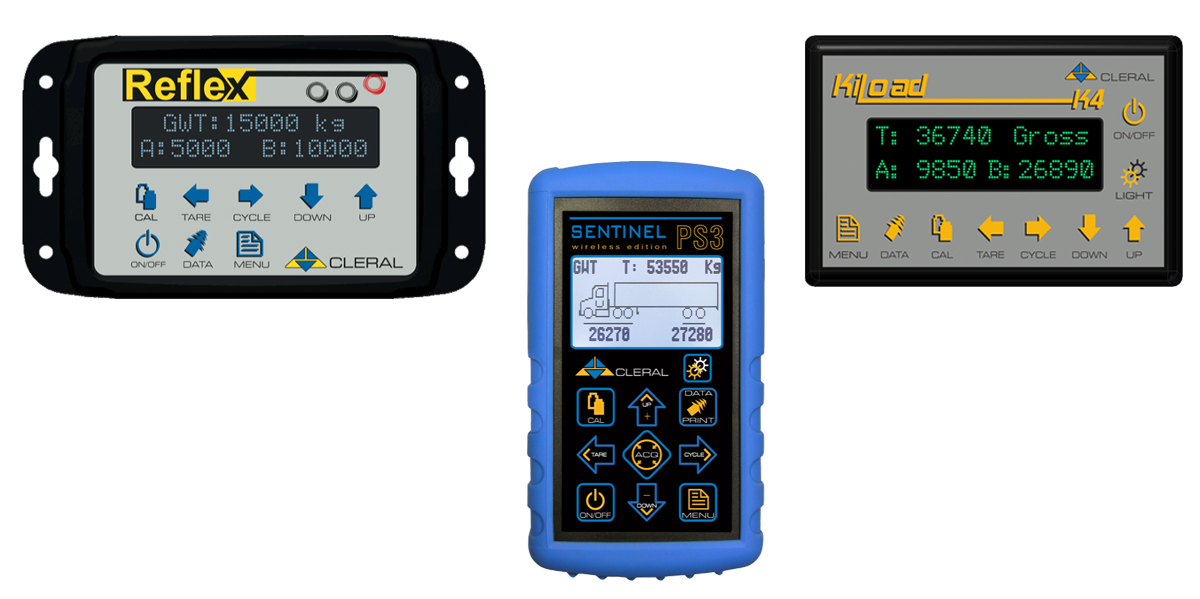 Kiload K4: Onboard Scale for Heavy Vehicles
Kiload K4 is an onboard scale that measures loads directly on the vehicle. Data is available in real time, making it easier to monitor loads and make informed decisions in the field. This Cleral technology helps reduce the risk of overloading while improving operational efficiency.
Businesses using Kiload K4 benefit from greater visibility into their loads. This information helps ensure compliance with regulatory requirements and enables more precise management of available payload capacity.
Sentinel PS3: Wireless Onboard Scale
Sentinel PS3 offers an onboard weighing solution designed to provide fast and accurate load readings. It allows drivers and fleet managers to access the critical information required for MTQ compliance. This technology is a particularly useful management tool for businesses looking to simplify load monitoring.
Thanks to its intuitive operation, Sentinel PS3 encourages user adoption. Data is easily accessible and contributes to safer vehicle operation.
Kiload SIM: Lift Axle Management
Kiload SIM is designed to automate lift axle management on 12-wheel trucks and certain tandem or tridem configurations. The system can automatically raise or lower an axle according to the load being transported. This automation directly supports compliance with MTQ regulations while reducing the risk of human error.
By automating the necessary adjustments, Kiload SIM allows drivers to focus more on their operations. The system also promotes better load distribution and optimal vehicle utilization.
Reflex: Trailer Axle Management
Reflex is a solution designed for semi-trailers equipped with lift axles. It automates axle management to maintain a configuration adapted to the loads being transported. This technology helps reduce component wear and improve trailer operating efficiency.
Businesses operating multiple semi-trailers benefit from more consistent fleet management. Automation also helps improve operational consistency between different drivers.
The Turnkey Service Offered by Ordi-Cam
Sales, Installation and Calibration
We provide Cleral equipment sales along with professional installation services. Every project begins with a needs assessment to recommend the most appropriate solution based on the type of vehicle and the company’s objectives. This approach ensures that each system is tailored to the operational reality of the fleet.
Calibration is also an essential part of the process. A properly calibrated system guarantees measurement accuracy and directly contributes to compliance with the requirements of the MTQ 2026 regulation.
Smart Axle Configuration and Automatic Management
Some fleets require advanced automatic axle management capabilities. Using Smart Axle and SIM technologies, we can configure systems capable of automatically adjusting axle positions according to the loads being transported. This automation promotes greater compliance while simplifying day-to-day operations.
MTQ 2026 Regulation: Prepare Your Fleet Today
The MTQ 2026 regulation is transforming the way businesses manage vehicles equipped with lift or auxiliary axles. Requirements related to onboard weighing systems, load display, and automatic axle management are now essential for maintaining compliance and optimizing operations.
With Cleral solutions and Ordi-Cam’s expertise, businesses have access to the right equipment and professional service needed to meet these new requirements.
Do you operate 12-wheel trucks, tridems, semi-trailers, or vehicles equipped with a lift or auxiliary axle? A fleet assessment can quickly identify affected vehicles and determine the solutions best suited to your operational reality. Contact the Ordi-Cam team today!
FAQ: MTQ 2026 Regulation, Lift and Auxiliary Axles, and Cleral Solutions
1. What is the MTQ 2026 regulation regarding lift and auxiliary axles?
The MTQ 2026 regulation introduces new requirements for vehicles equipped with lift or auxiliary axles. Affected vehicles must be equipped with an onboard weighing system capable of continuously measuring loads and displaying this information to the driver.
2. Which vehicles are affected by the MTQ 2026 regulation?
12-wheel trucks equipped with a lift axle, tridem trucks equipped with an auxiliary axle, semi-trailers equipped with lift axles, and certain Smart Axle or Lift Axle configurations are directly affected by the regulation.
3. Why is an onboard weighing system now required?
An onboard weighing system allows operators to measure axle loads in real time to ensure compliance with load and dimension regulations. It also helps reduce the risk of overloading.
4. What must an onboard weighing system do to be compliant?
The system must continuously measure loads, clearly display data by axle or axle group, and allow drivers to access the information directly from the cab. It must also meet the required accuracy standards.
5. What are the risks of operating a non-compliant fleet?
A non-compliant fleet may be exposed to violations during roadside inspections, operational disruptions, and potential payload penalties depending on the vehicle configuration.
6. Is it true that a vehicle can lose up to 1,000 kg of payload capacity?
Yes. Certain non-compliant lift axle configurations may be subject to a 1,000 kg payload penalty. A compliant solution can help eliminate this penalty and maximize vehicle carrying capacity.
7. How can you determine whether your vehicles are affected by the MTQ 2026 regulation?
A fleet assessment conducted by Ordi-Cam can quickly identify vehicles equipped with lift or auxiliary axles and determine the modifications required to ensure compliance.
8. What are the benefits of Cleral equipment?
Cleral solutions provide real-time load monitoring, improve weight distribution, and simplify axle management, helping fleets comply with MTQ 2026 requirements while improving operational efficiency.
9. Which Cleral products are available through Ordi-Cam?
Ordi-Cam installs and configures a variety of Cleral solutions, including Kiload K4, Sentinel PS3, Kiload SIM, and Reflex. These technologies help monitor loads in real time, manage lift axles, and ensure compliance for 12-wheel trucks, tridem trucks, and semi-trailers.
10. Why trust Ordi-Cam for compliance solutions?
Ordi-Cam offers a complete turnkey solution that includes fleet evaluation, equipment sales, installation, calibration, and system configuration. Our expertise helps businesses efficiently comply with MTQ requirements while maximizing the performance of their fleets.